







2026.02.07
栄養満点の伝統野菜・明日葉
Ashitaba: A highly nutritious traditional vegetable
三宅島の自然の恵みを活かした商品を届ける西野農園。その主力商品である明日葉は、伊豆諸島に自生するセリ科の野草です。「若葉を摘んでも明日にはまた伸びている」といわれる程成長が早く、生命力が強いことから、明日葉という名前が付けられました。昔から三宅島をはじめとした伊豆諸島の人々にとって大切な栄養源です。豊富なミネラルと食物繊維、そして特有の成分である「カルコン」を含む明日葉は、健康野菜として近年注目を集めています。
Nishino Farm, and distributor of products harnessing the natural bounty of Miyake Island, specializes in ashitaba, the primary product of the company. Ashitaba is a wild herb belonging to the family, endemic to the Izu Islands. The name "ashitaba" ("tomorrow leaf") derives from its remarkable growth rate and vigor—holds that new leaves emerge the day following Historically, ashitaba has served as an essential nutritional source for the inhabitants of Miyake Island and surrounding islands of the Izu archipelago. Recently gaining prominence as a health vegetable, ashitaba is rich in minerals and dietary fiber, and contains a distinctive compound known as "chalcone."
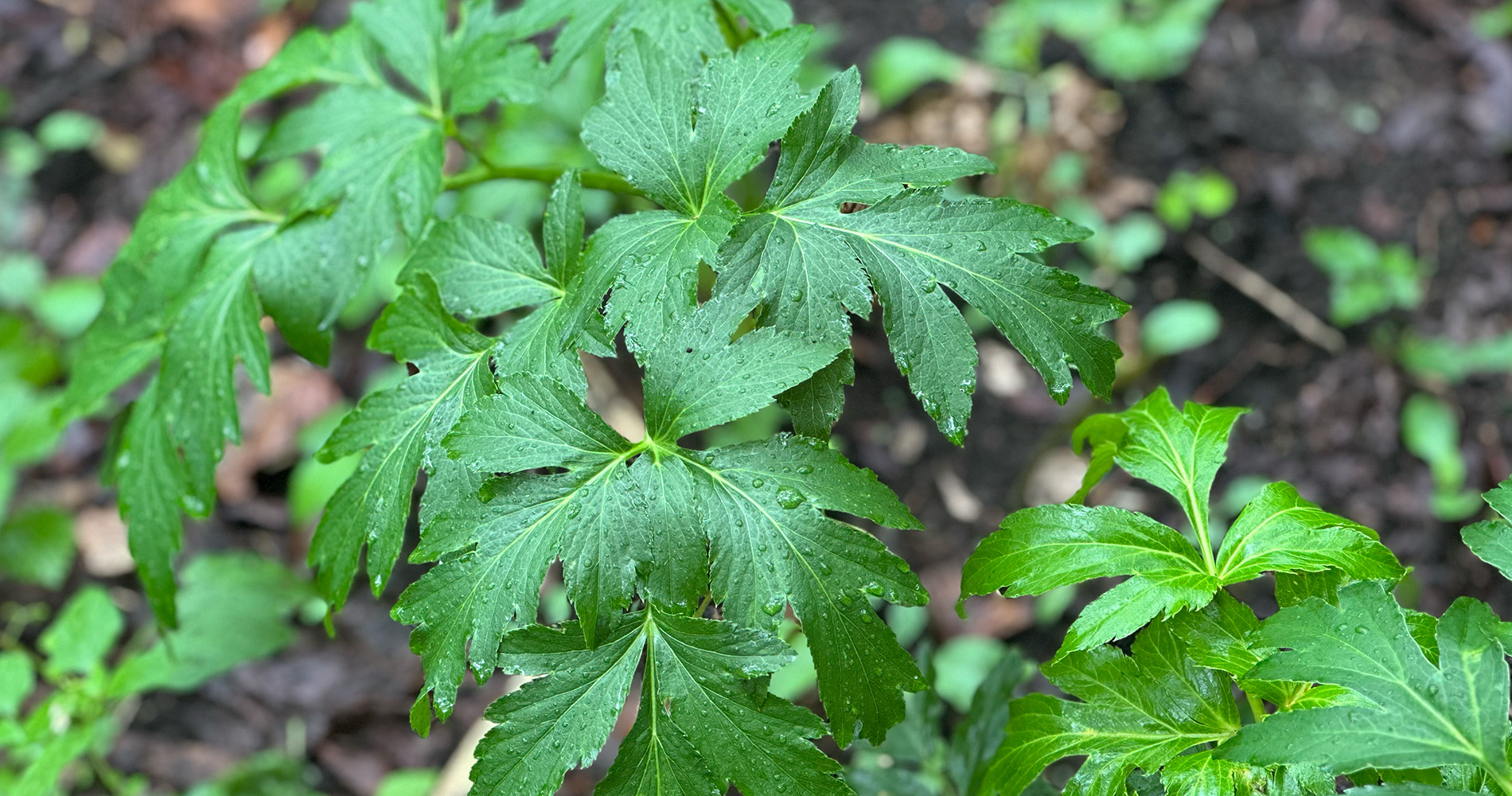
野生の明日葉。(実際には新芽が出るのに1週間ほどかかります)
Wild ashitaba (In reality, new shoots typically require approximately one week to emerge)
脱サラから始まった島での人生
A life on the island that began after leaving the corporate world.
西野さんは東京の水産系大学を卒業後、食品輸入商社でサラリーマン人生を送り、30歳で自然豊かな場所での自営農業に従事する夢を追求するため脱サラし、1981年に妻とともに縁もゆかりもない三宅島へ移住しました。「海が好きだったんです」という西野さん。
After graduating from a university in Tokyo, Mr. Nishino worked in the before pursuing his long-held dream of establishing an independent in a pristine natural environment. At thirty years old, he and his wife relocated to Miyake Island to begin their new life. "I've always loved the sea," Mr. Nishino recalls.
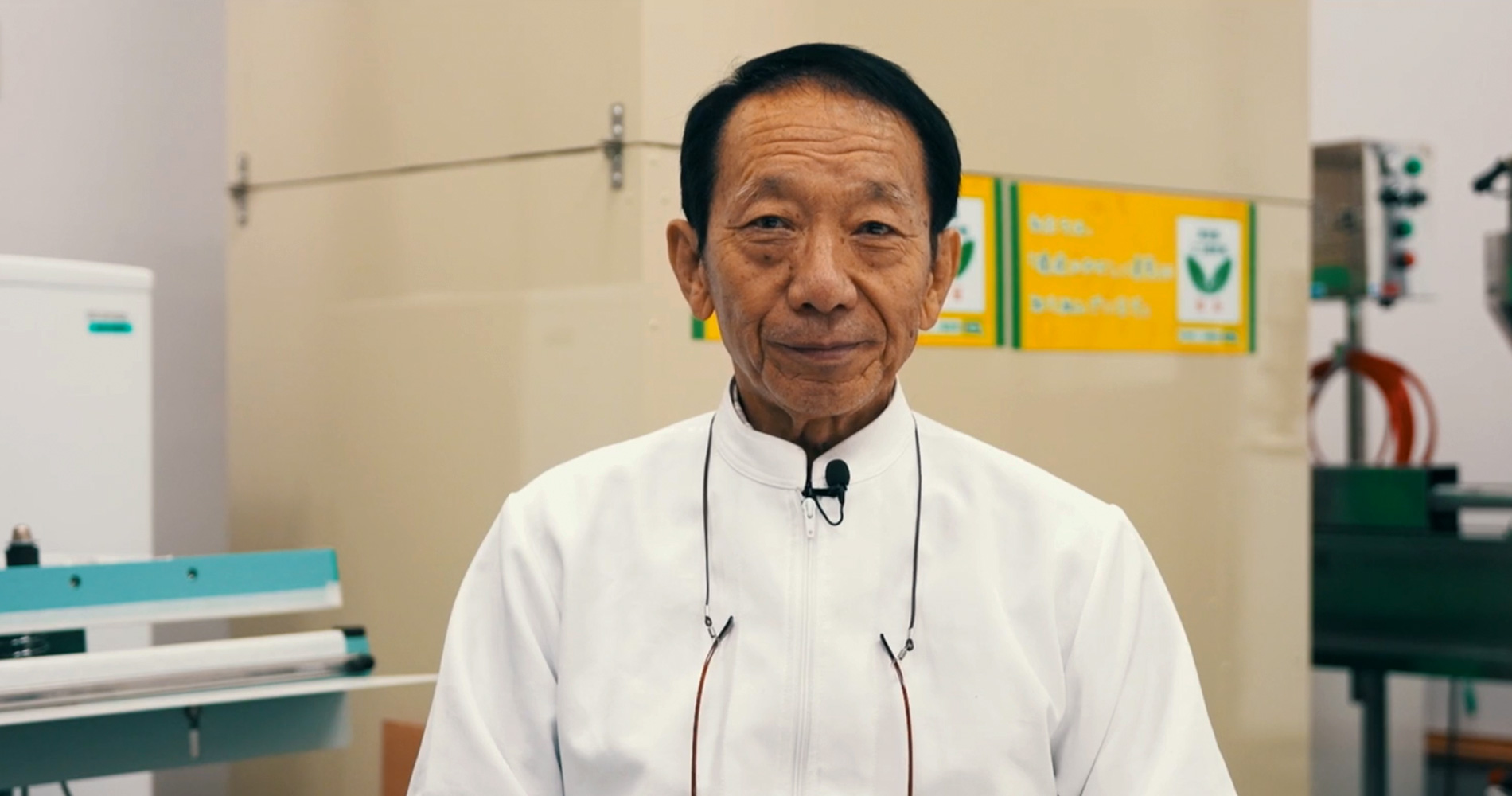
西野農園が明日葉の栽培を始めたのは、2006年。2000年の三宅島の大規模な噴火での全島避難により、西野さんは4年半もの間、家族とともに島外での避難生活を強いられました。多くの島民や農業事業者が島での生活をあきらめてしまう中で、西野さんは島での生活が再開すればまだできることがあると考えて、戻ることを決めました。そして、昔から地元の人々に愛されてきた明日葉の持つパワーに可能性を感じ、栽培することにしたのです。
元々は青汁用の原料として栽培していた明日葉ですが、やがて事業は拡大していき、単なる農業ではなく、地元の健康食材を都市部の消費者へ届ける、地方と都市をつなぐものへと成長していきました。
Nishino Farm commenced ashitaba cultivation in 2006. Following the catastrophic volcanic eruption of Miyake Island in 2000, which resulted in the complete evacuation of the island, Mr. Nishino and his family endured 4.5 years of displacement. While many island residents and agricultural operators abandoned hopes of returning, Mr. Nishino believed that opportunities would remain should island life resume. This conviction led him to return, and sensing the immense potential of ashitaba—a plant long cherished by local people—he made the decision to cultivate it.
Initially grown as a for green juice, the operation subsequently expanded significantly, evolving from mere agriculture into a bridge between rural and urban communities, delivering locally-sourced nutritious food from island producers to metropolitan consumers.
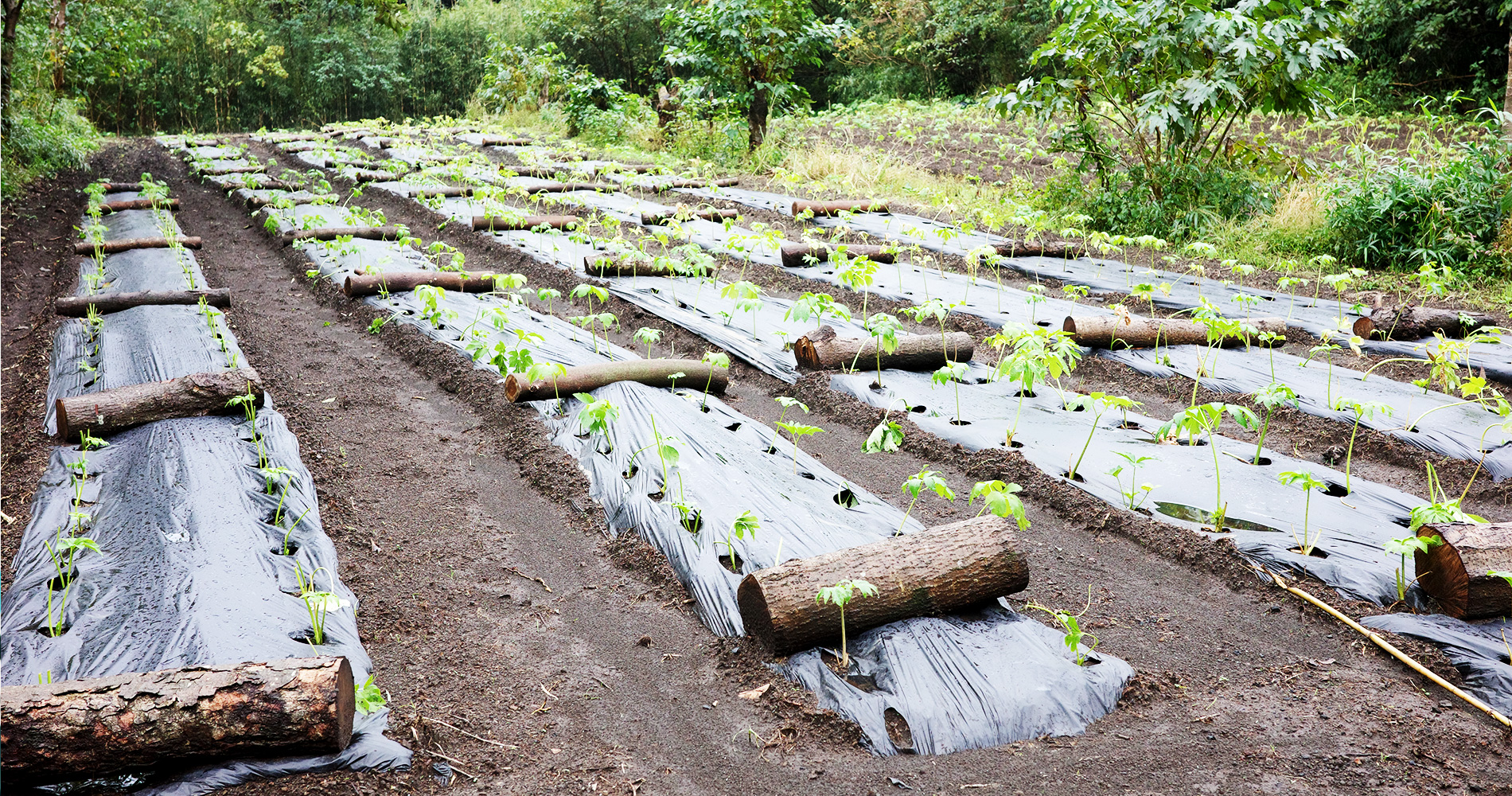
西野農園の明日葉農園
Ashitaba fields at Nishino Farm
安心・安全・栄養満点へのこだわり
Commitment to Safety, reliability, and high nutrition
西野農園の大きな特徴は、その品質管理へのこだわりです。「安心・安全・栄養満点の明日葉を、毎日の食生活に取り入れていただきたい」という想いから、無農薬・添加物ゼロの明日葉を栽培するだけでなく、粉末やお茶などへの加工もすべて自分たちの手で行い、多彩な商品ラインナップを提供しています。
A major feature of Nishino Farm is its commitment to quality control. Driven by the desire to incorporate safe, reliable, and highly nutritious ashitaba into their daily diets," the farm not only cultivates ashitaba without pesticides or additives but also handles all processing—from powder production to tea manufacturing—in-house, offering an extensive product lineup.
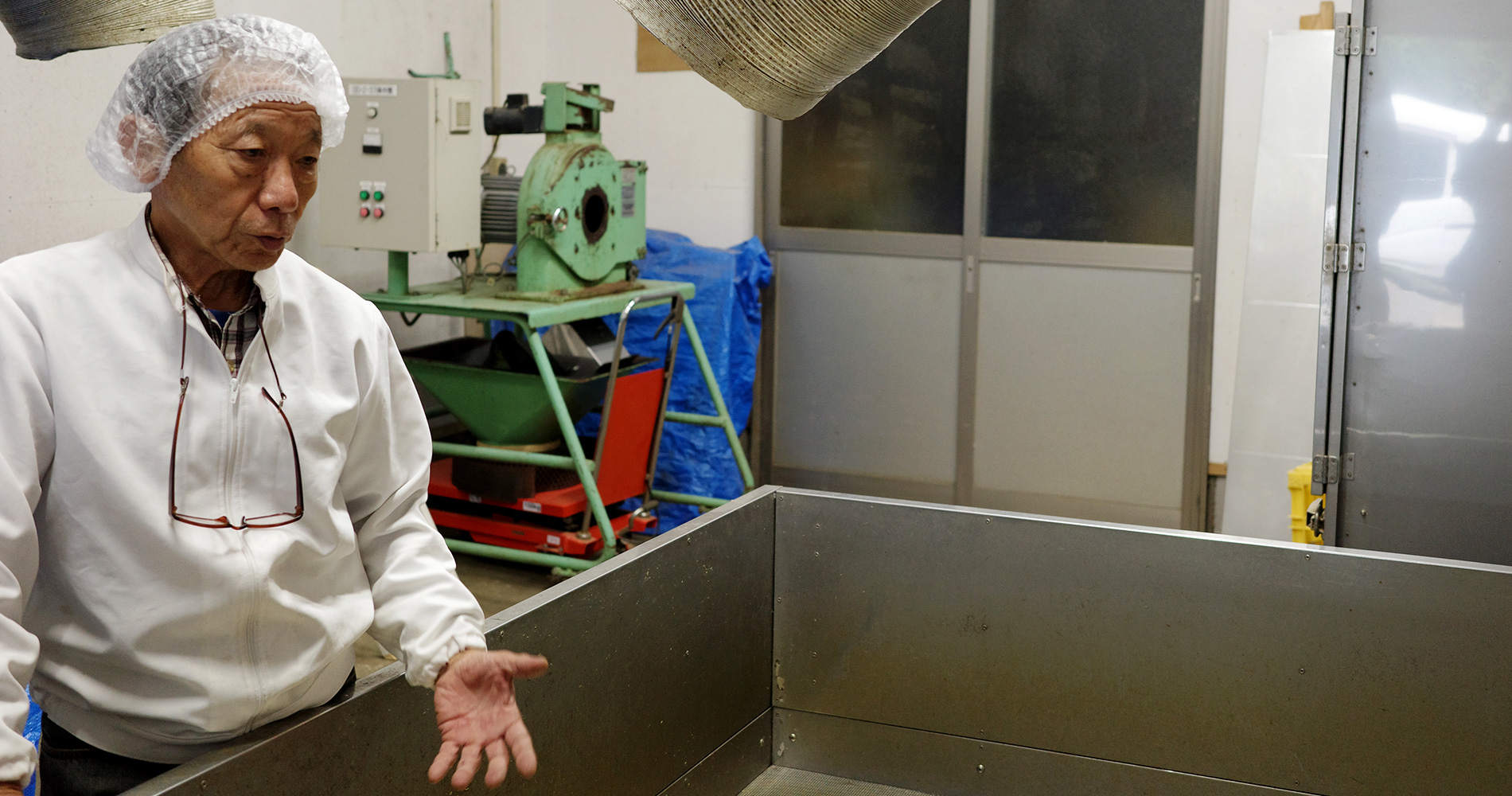
明日葉を乾燥させる機械
Machinery used to dry ashitaba
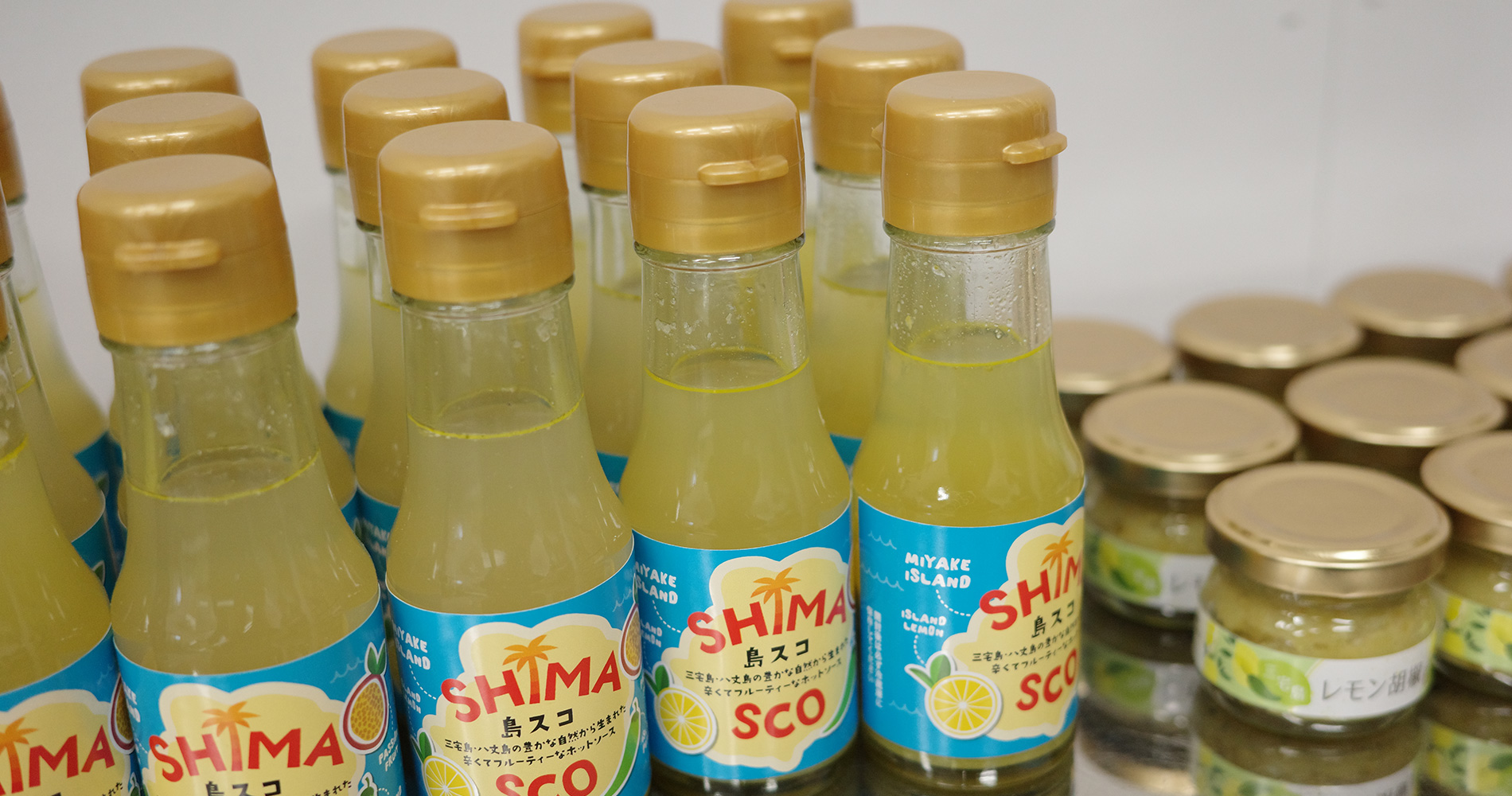
島の資源を使った商品たち
Products created from island resources
島と都市をつなぐ
Connecting Island Communities with Urban Markets
西野さんは、地域全体の活性化、そして地元の資源をより多くの人に知ってもらいたいという想いを抱いています。三宅島の豊かな自然が育む明日葉。その価値を次の世代へと伝えていく。西野農園の取り組みは、そうした地域活性の一つの形を示しているのではないでしょうか。
三宅島の噴火という災害を乗り越え、復興の象徴となった西野農園の明日葉を通じて、島の知恵と生命力は、これからも多くの人々の健康を支え続けるでしょう。
Mr. Nishino harbors aspirations for revitalizing the region as a whole and ensuring that the island's resources gain broader recognition. Ashitaba, nurtured by Miyake Island's abundant natural environment, embodies these values. By transmitting the significance of ashitaba to future generations, Nishino Farm exemplifies one meaningful approach to regional revitalization.
Having overcome the catastrophic volcanic disaster and emerged as a symbol of recovery, Nishino Farm's ashitaba—rooted in island wisdom and vitality—will continue to sustain the health and well-being of countless people for generations to come.